
Drukyul Delights · A Quick Guide
About Bhutan
Once a forbidden kingdom, like nowhere else.
Hardly impacted by the 21st century, Bhutan today is an equipoise of the ancient and the modern. Here, centuries-old traditions remain as profound as they were when Padmasambhava — a revered Buddhist master — first ascended the summit of the Tiger's Nest monastery, Taktshang Goemba, in the Paro Valley of Bhutan's west, as early as the 8th century. Now the cultural icon of the country, it is a time-standstill travel experience.
The Bhutan Experience
Five Ways to Experience Bhutan
Tap each theme to explore what awaits in the Last Shangri-La
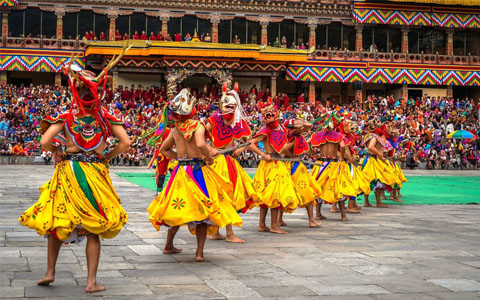
Discovering Bhutan, one is immediately taken aback by the different atmosphere that pervades the country. We hear gongs and trumpets followed by the chants of claret-cloaked Buddhist monks in their atmospheric cloisters, and the sheer yell of a Bhutanese archer from a quaint nearby village — symbolic of prayers sent with his arrow toward a target looming almost invisibly at least 145 metres away.
Etched into the everyday lives of its people, our Bhutan cultural-immersion ideas give you the privilege of meaningful interactions over casual conversation — allowing you to feel Bhutan rather than simply enjoy the plain sights.
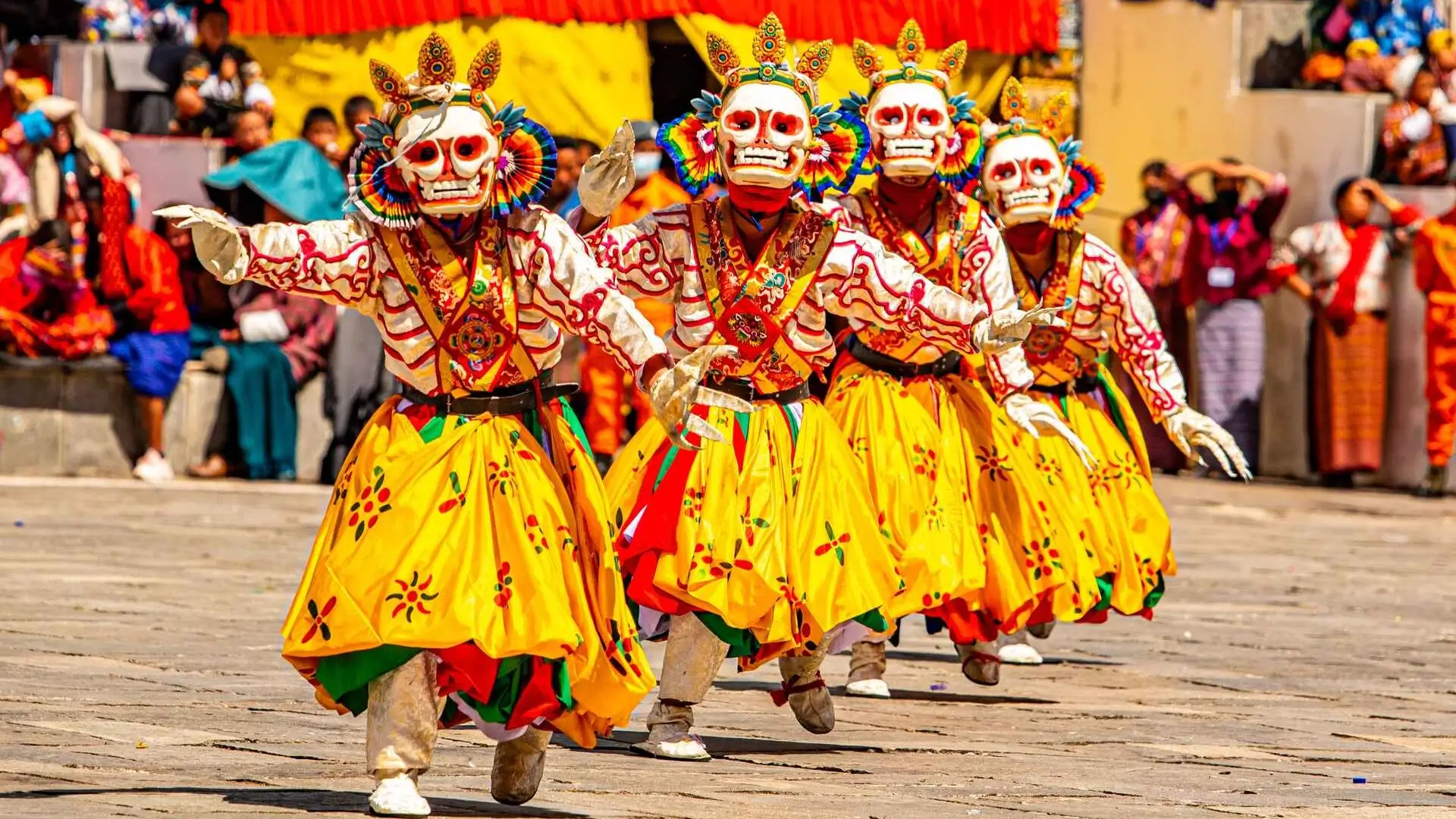
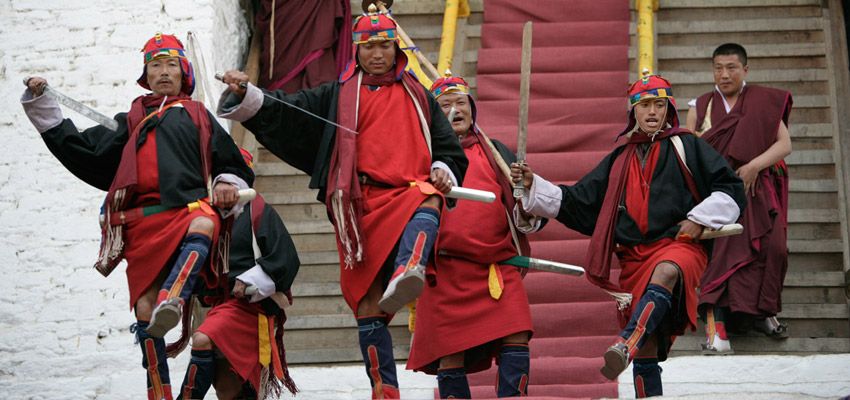
A strong sense of spirituality pervades all levels of Bhutanese life. We encounter indigenous inhabitants circling temples and stupas, offering butter lamps, doing prostrations and making circumambulations around religious monuments — draped in their elegant national costumes, these are common sights.
Yet you are never far from the country's one-of-a-kind ancient mystical marvels. The timeless Tshechu festivals, set against imposing backdrops, showcase Bhutan's colourful cultural titbits and provide a Mecca for those seeking a cultural high. Winding, transformative trails — complemented by astonishing primeval forests in the only carbon-negative nation in the world — offer a sanctuary for the alpinist to revivify.
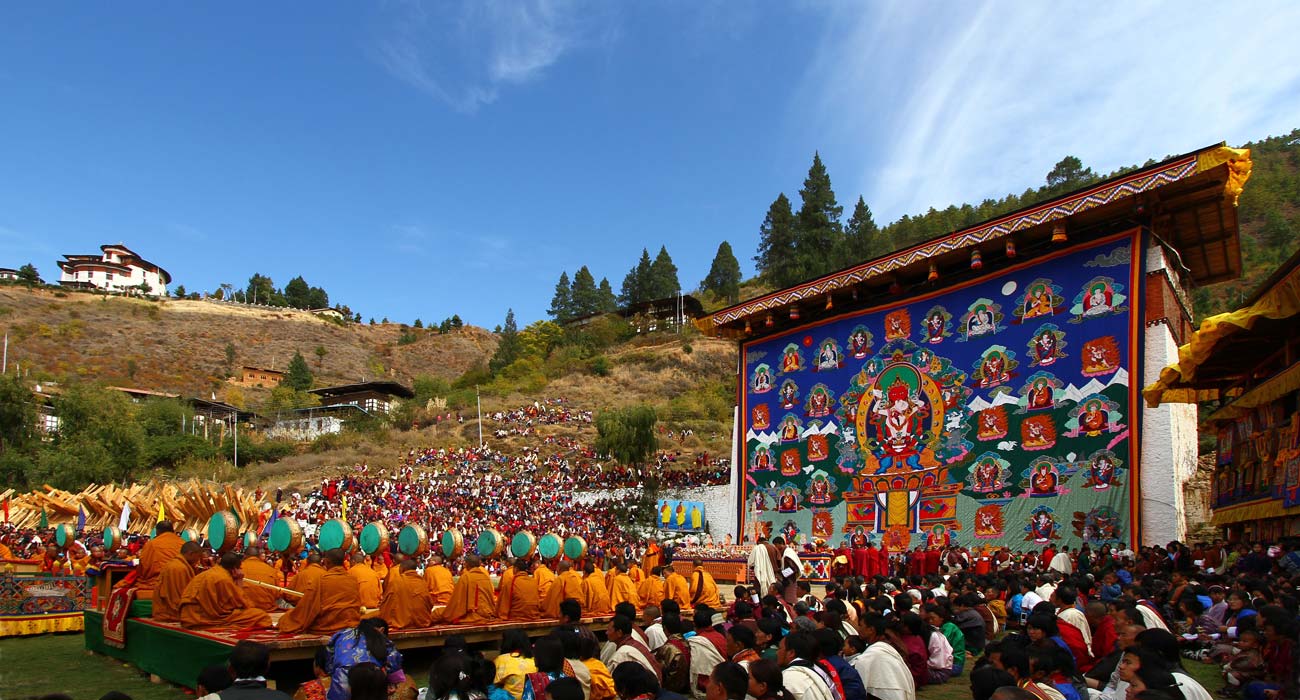
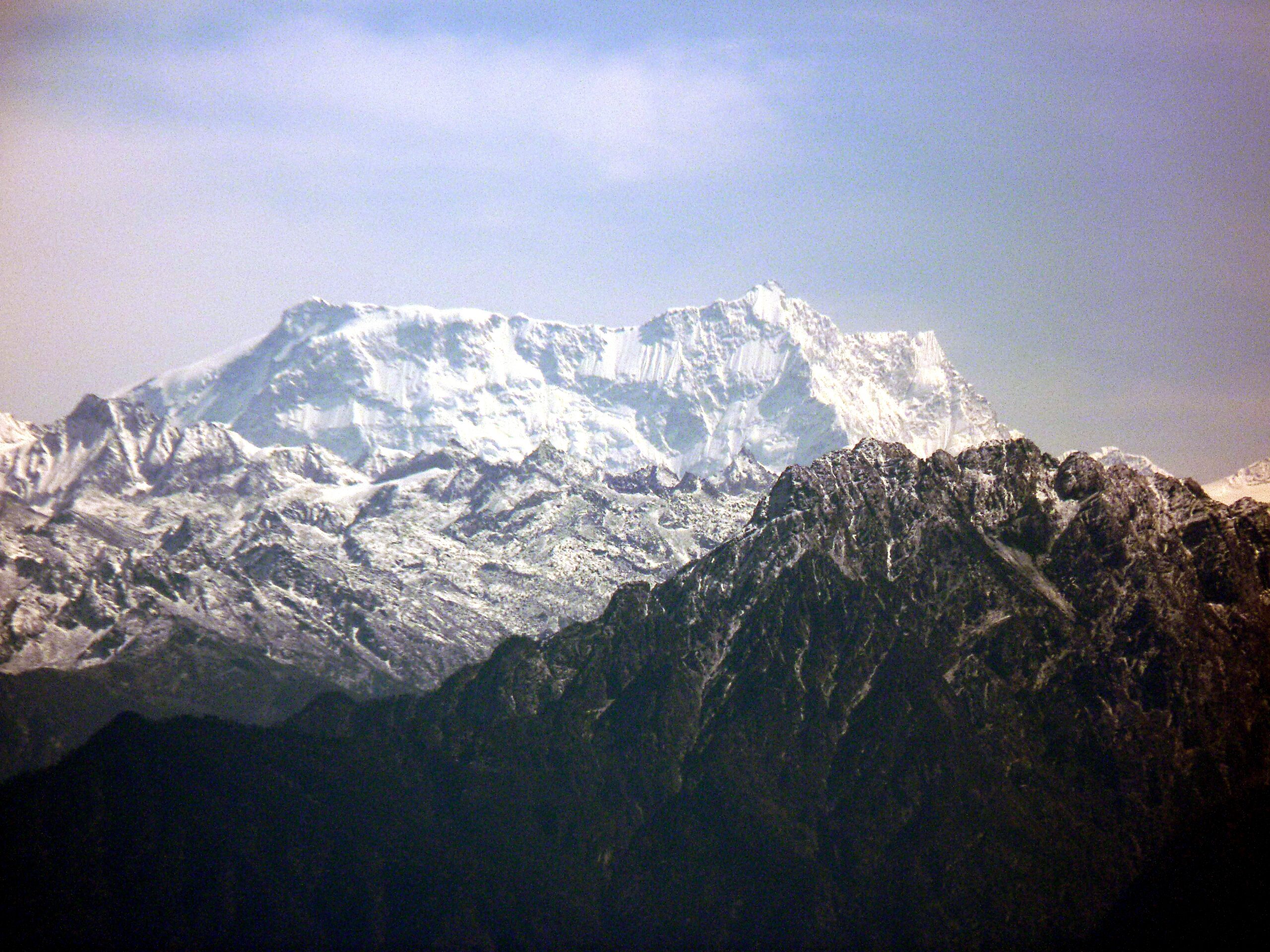
Well-nigh the size of Switzerland and a stronghold of Vajrayana Buddhism — a faith on the verge of extinction elsewhere — this remote Buddhist realm is home to some of the highest unscathed peaks in the world, serene countryside dotted with time-honoured homesteads, age-old monasteries and temples, claret-clad monks, fluttering prayer flags, and fast-flowing rivers.
Here, the tales of supernatural forces, wrathful gods and ancient mysticism are the fabric of everyday life. Stories of highly learned masters with powers of precognition and healing — and of monk votaries who discovered the key to life and semi-immortality — come thick and fast on your travels, often bewildering but never boring.
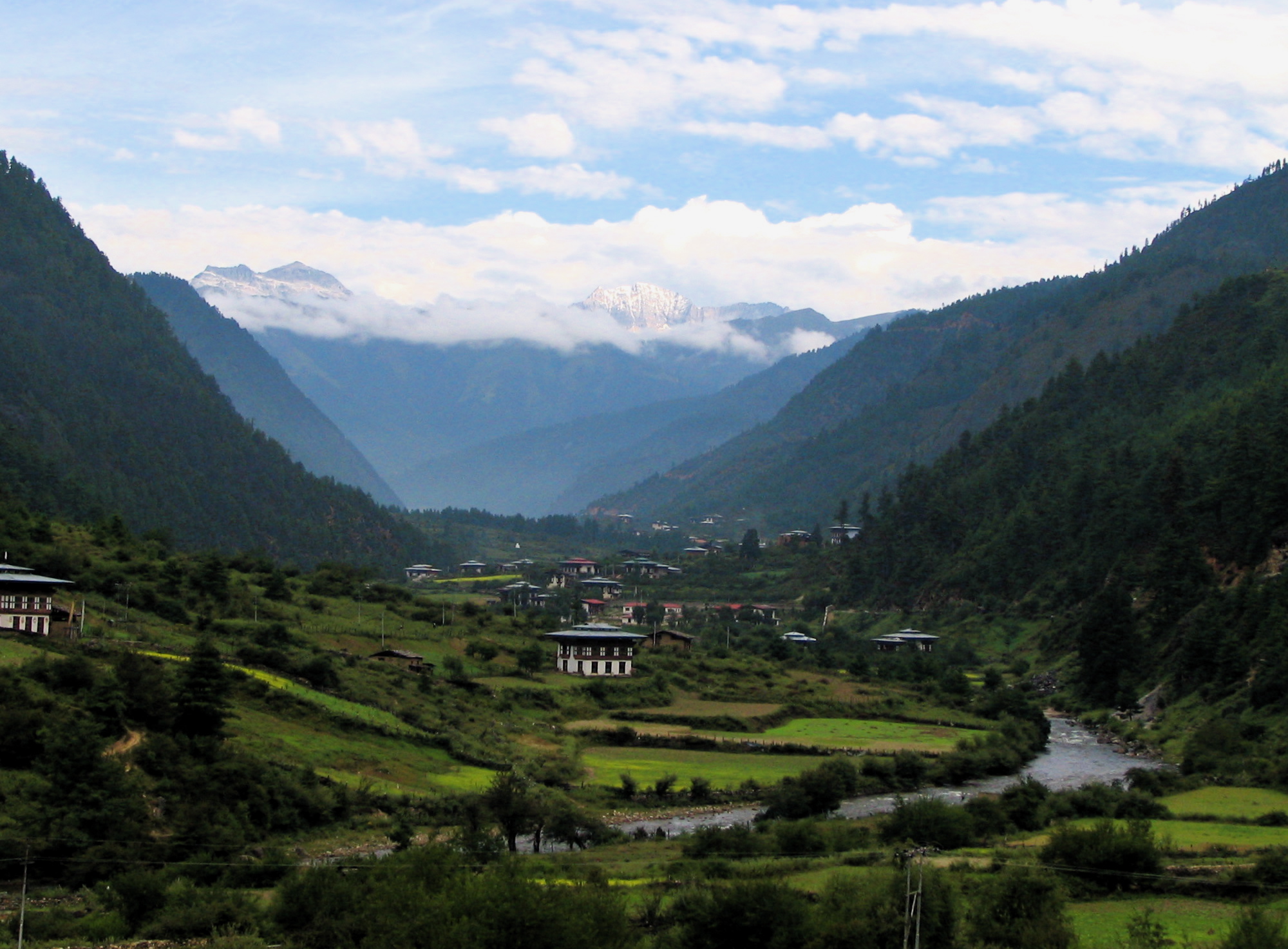
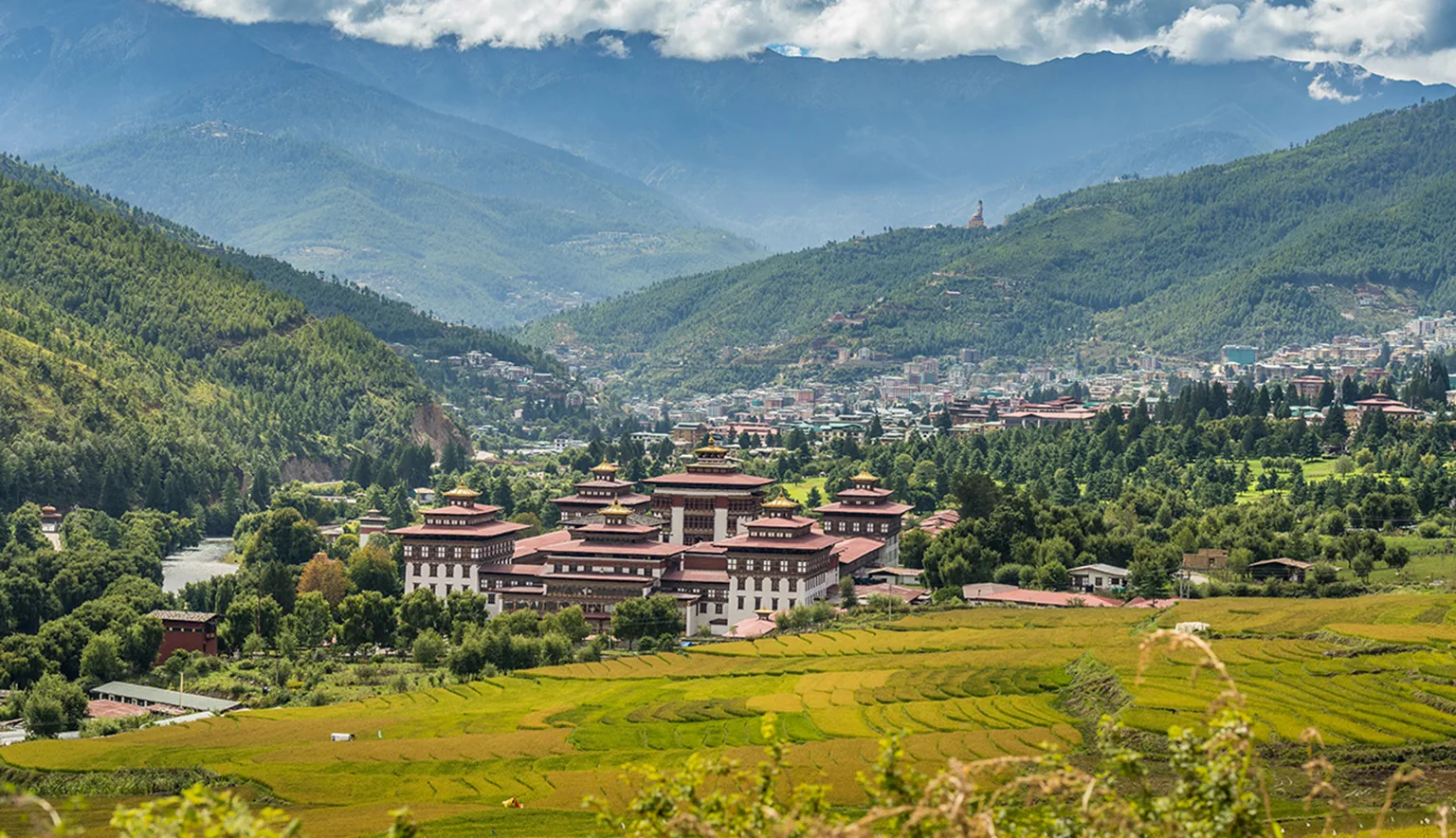
Trekking is undoubtedly Bhutan's top attraction. It offers breathtaking views of some of the most virgin Himalayas in the world and a chance to observe local life while passing through villages with few or no visitors, accompanied by the chiming of yak bells.
With over 19 official trek routes — varying in difficulty from easy day treks to the grueling 27-day Snowman Trek, which traverses 11 mountain passes over 4,000 m — Bhutan sets you on trails used only by yak herders and remote communities. It has something impressive to offer anyone willing to endure.
The country also celebrates the lives of the highlanders in its northern reaches through our adventure and theme-based festival tours, showcasing the rich landscape and regional diversity. This is not just an adventure; it's an opportunity to connect deeply with the heart and soul of Bhutanese heritage — pushing your limits while witnessing breathtaking festivals and engaging with local communities. Embark on a journey of exploration and transformation, and discover the true essence of Bhutan — a land where every step tells a story.
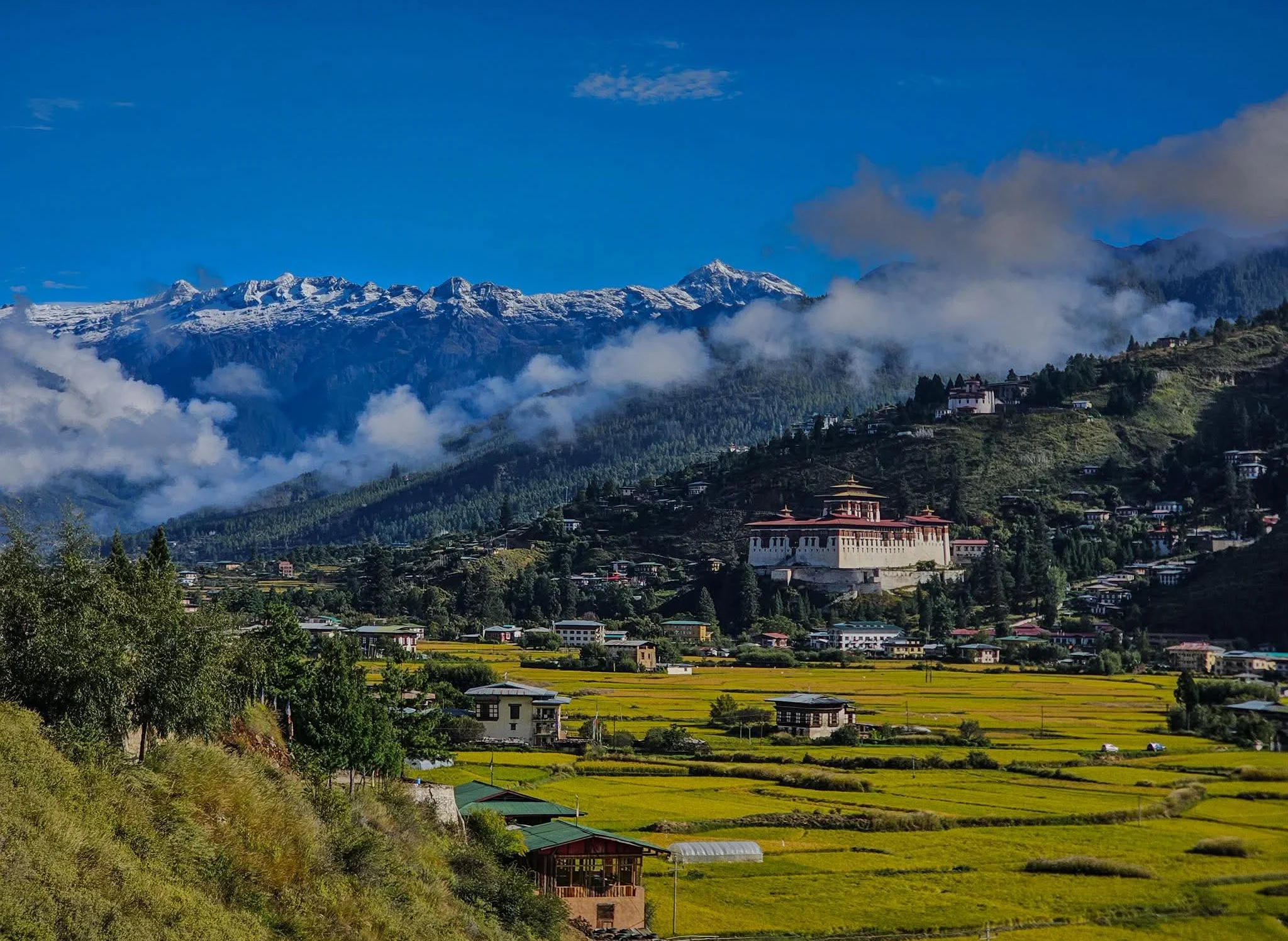
If you love nature, you will revere Bhutan. Swathed generously in forest cover, this tiny nation is custodian to nearly 5,500 vascular plant species. These include more than 500 orchids and 50 species of Rhododendron — celebrated through the Rhododendron Festival each April during its bloom. In addition, 350 species of mushrooms, 600 species of ferns and countless herbs and wildflowers are contained within a land area similar to Switzerland.
Blanketed in myth, it is also a land of feral anomalies. You may witness the men of the Jambay Lhakhang Drub "naked dance" festival — an aspect that conflicts somewhat with Bhutan's polished image, yet for locals is seen as a source of peace and hope. This is one of the things that make Bhutan one of the most exciting destinations in the world today.
A Quick Virtual Tour
Journey Across the Kingdom
From the adventure capital of Paro to the birding forests of the east
At the onset of travel, almost all travellers first encounter the Paro valley — the adventure capital of Bhutan in the west. This expansive, prolific valley culminates beneath the country's second-highest peak, Mount Jomolhari. Reclined atop a granite cliff outside Paro is the one-of-a-kind Taktshang, the Tiger's Nest Monastery, standing some 1,000 m above the valley floor — legend holds that Guru Padmasambhava arrived at this holy site from Tibet on the back of a tigress.
An hour east is the capital, Thimphu, with its leviathan bronze Buddha statue, the Takin preserve, the philatelists' postal museum and the Royal Textile Academy. Further along lies prosperous Punakha — the former capital until 1955 — alight with the redoubtable Punakha Dzong at the confluence of the Mo and Pho rivers. Nearby, the protected Phobjikha valley is the winter roosting ground of the rare black-necked cranes, watched over by the graceful Gangtey Goemba monastery.
The heartland of Bhutan is Bumthang, the spiritual capital, with its apple orchards, age-old monasteries and the historic Jakar Dzong — all in the shadow of Mount Gangkhar Puensum, the world's highest unclimbed peak at 24,843 ft. Eastern Bhutan, the ancestral home of the royal family, is unrivalled in weaving and traditional crafts, and its pristine forests — especially around Yongkola, "the Birding Capital of South-East Asia" — make it a paradise for birdwatchers.
The History: Land of the Thunder Dragon
Bhutan's self-enforced quarantine, which lasted until the end of the 1950s, contributed to the country's under-the-radar status as one of Asia's hidden gems. Historically, due to its location south of Tibet, Bhutan was known by many names — Ridrak (the Land of Hills and Cliffs), Lho Jong (Southern Land), Lhomon Khazhi (the Southern Mon Country of Four Approaches), Lhojong Menjong (the Southern Land of Medicinal Plants), and Lho Mon Tsenden Jong (Where Sandalwood Grows). Before the light of Buddhism, Tibetans even referred to Bhutan as Monyul, the Land of Darkness.
Before 1616, Bhutan consisted of many principalities ruled by warring leaders. Everything changed when Zhabdrung Ngawang Namgyal, a Tibetan lama, arrived in 1616 and consolidated the country under a dual system of government shared between secular and religious leaders — establishing Bhutan as a nation-state. After his death the country fell into chaos, until Gongsar Ugyen Wangchuck, the most prominent ruler of the east, was crowned the first hereditary King of Bhutan on 17 December 1907. Today the Bhutanese call their land Druk-Yul, the Land of the Thunder Dragon, after the Drukpa Kagyud school of Mahayana Buddhism.
Location: A Sparkling Himalayan Gem
Bhutan lies on the southern slopes of the Himalayas between China to the north and India to the south, east and west. Measuring 38,394 sq km, it is a mountainous country of rugged hills, deep gorges and tumbling rivers. It is broadly divided into three climatic zones — subtropical (100–1,800 m; warm winters, hot humid summers, most of the farmland), temperate (1,000–3,000 m; cool summers, cold winters, the valleys of dzongs and temples that cultural travellers visit), and alpine (above 3,000 m; the most scenic zone, home to semi-nomadic communities and most trekking routes). Clean, green, quiet and largely unexplored, Bhutan is a sparkling gem in the Himalayas.
The landscape is embellished with grandiose, age-old monasteries, temples and imposing fortresses in the valleys — woven together by wide terraced fields. Draped in fluttering prayer flags, its verdant hilltops are often dotted by humble contemplation centres, framed by the captivating backdrop of Bhutan's chaste peaks.
The most striking of all is the architecture of the fortress-like dzong — a large defensive structure originally built on strategic locations, dominated by intricate woodwork and constructed without a single nail. It now houses religious and district administrative centres. Traditionally, dzongs, temples and Bhutanese houses are built without formal drawings, following the contours of the landscape and conceived entirely in the mind of the principal carpenter. A typical traditional house has wooden frontages, arched windows and leaning roofs, with walls of stone and mud or rammed earth in wooden frames.
Today, municipal houses are built with concrete rather than stone and mud, yet they are required to retain certain traditional features, such as the traditional shape of windows. The sophisticated paintings on the walls of temples, monasteries and fortresses are directly influenced by ancient Mahayana Buddhist traditions — the devoted works of trained Bhutanese artists who do not wish to sign their names on their fine works.
Music: A Lyrical Offering
Isolated from the world for centuries, Bhutan developed and preserved distinct songs, dances and instruments. Its music falls into three forms: zhungdra ("central melody"), the oldest folk form sung in long, slow, meditative tones — highly poetic, often an offering to the gods, sung with the dramnyen (Bhutanese lute) or unaccompanied; boedra, the courtiers' songs, faster in rhythm and sung with traditional instruments; and rigsar, a modern innovation popular with younger Bhutanese and the local film industry. Folk music plays an instrumental role in transmitting socio-cultural and religious values.
National Dress: An Ornate Identity
Men wear the Gho, a heavy, long robe hitched to knee-length and tied with a woven belt (kera); its upper fold forms "the largest pocket in the world." Women wear the Kira, a large rectangular cloth wrapped to the ankles over a Wonju blouse, with a Tego jacket. These 400-year-old, traditionally hand-woven dresses are required by law in public places. For formal occasions men wear a Kabney and women a Rachu, colour-coded by rank — white for ordinary people, blue for parliamentarians, green for judges, orange for ministers, and a regal saffron-yellow for His Majesty the King. A fine dress can take a week or up to a year to make and cost between USD 50 and USD 3,500 or more.
Archery: The Living Culture
Called datse in Dzongkha, archery became Bhutan's national sport in 1971. It is played across a long range with two small targets set 120 metres apart, using bows of strong, flexible bamboo and light reed arrows. Traditionally played between two villages or institutions, a match is festive and gleeful — each team cheered on by dancing women who sing encouragement to their own archers and gently mock the opposing side with cries of phalala. Amid cheers and hisses there are food and drinks aplenty, and a match may occasionally last more than a day.
The Environment: An Invaluable Carbon Sink
Bhutan has a long tradition of living in harmony with nature. Its constitution requires that a minimum of 60 percent of the land remain under forest cover for all time — and remarkably, more than 71 percent still is. Of over 200 species of mammals, 27 are globally threatened, including the elusive Snow Leopard, the Bengal Tiger and the shy Red Panda; of more than 670 bird species, 18 are globally threatened, such as the Black-necked Crane and the critically endangered White-bellied Heron. Protected areas — national parks, reserves and sanctuaries linked by biological corridors — cover 51 percent of the country. Mountain climbing is forbidden, which is why Mt. Gangkhar Puensum (24,835 ft) remains the world's highest unclimbed peak. Bhutan's virgin forests absorb about 7 million tons of CO₂ a year while the country emits only 2.2 million — making Bhutan not merely carbon-neutral but carbon-negative.
Gross National Happiness: Conscience of the Nation
In 1979, returning from a summit in Havana, the Fourth King, His Majesty Jigme Singye Wangchuck, told journalists: "We do not believe in Gross National Product because Gross National Happiness is more relevant for us." GNH holds that development must balance socio-economic progress, cultural preservation, environmental conservation and good governance — its Four Pillars. As His Majesty King Jigme Khesar Namgyel Wangchuck put it, GNH signifies "development with values… our national conscience, guiding us towards making wise decisions for a better future."
Religion: A Way of Life
Bhutan has been a predominantly Buddhist society for an uninterrupted 1,500 years — one of only four countries with Buddhism as the state religion. Two schools of Vajrayana Buddhism are practised: Drukpa Kagyud (the state religion, institutionalised as the Central Monastic Body) and Nyingma; people of Nepali origin in the south practise Hinduism. Bhutan is one of the last strongholds of Vajrayana, and here the tradition permeates all aspects of life — monks consecrate births, marriages, promotions and new homes, and offer comfort in sickness and death. In short, religion is a way of life.
Before Buddhism
Before Buddhism, the people practised an animistic religion involving nature worship. Buddhism first arrived in the 7th century when Dharma King Songtsen Gampo of Tibet erected Jampa Lhakhang in Bumthang and Kyichu Lhakhang in Paro. Later, the tantric master Padmasambhava (Guru Rinpoche) came to Bumthang and strengthened its roots, and in the 17th century Zhabdrung Ngawang Namgyal made Drukpa Kagyud the state religion. Notably, Bhutan maintains a clear separation of religion and politics — the constitution places religion "above politics."
Social Conventions: Down to Earth
A code of behaviour and politeness is followed by almost everyone; visitors are not expected to know every custom but to behave formally and politely. A straightforward refusal is not part of Bhutanese etiquette, and a vague "yes" does not always mean yes. Shoes must be removed when entering an altar room or temple shrine. The customary greeting is a slight bow with both hands offered in prayer, though handshakes are increasingly common in the cities. The respectful suffix "la" is added to the end of a sentence when speaking with a stranger — "how are you" becomes "how are you la."
Despite having a liberal, free-market economy, Bhutan provides free education and healthcare, and all citizens have recourse to compensation in times of disaster, deprivation and destitution.
Every Bhutanese is entitled to free health care — from the vaccination of babies to flu shots for the elderly, from paracetamol to chemotherapy — and to free evacuation by helicopter in medical emergencies. Patients needing advanced treatment unavailable in the country are sent to India at the government's expense. Tellingly, a recent survey found that the Bhutanese people's biggest healthcare expenditure was on conducting religious rituals.
Likewise, Bhutanese children are entitled to free basic education — including free tuition, books and stationery, and increasingly free food and hostels — and those who work hard are guaranteed free college education.